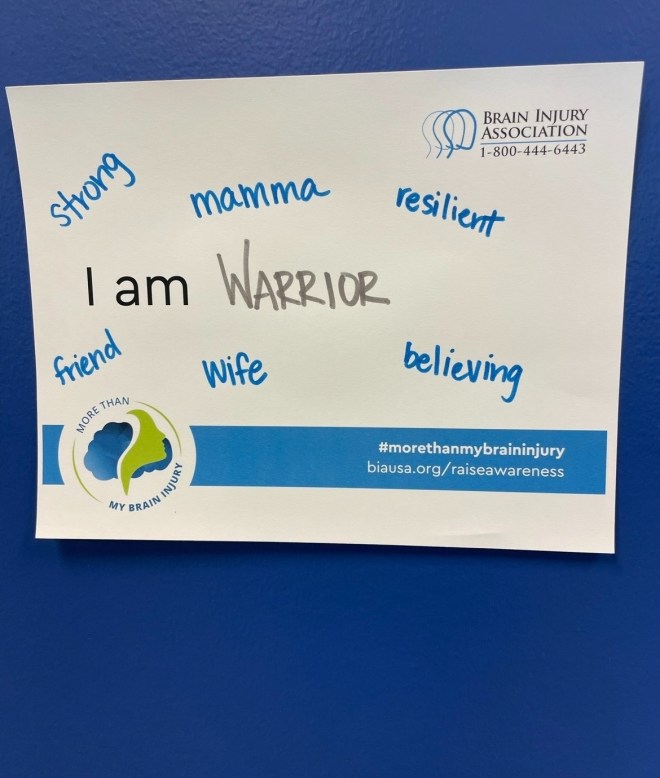
It has been five years since I last wrote here. Looking back — and looking ahead — I feel ready and excited to jump back into blogging.
Five years ago, my life changed in a way I never could have imagined. After several months of feeling “off,” I sat down on the couch and felt a strange numbness on the right side of my body. It felt like the tingling sensation you get when your foot falls asleep—but this time, it didn’t go away. The numbness continued to spread through my arm and leg, and when it became impossible to ignore, I knew it was time to go to the emergency room. After a CT scan, doctors quickly discovered a large brain tumor.
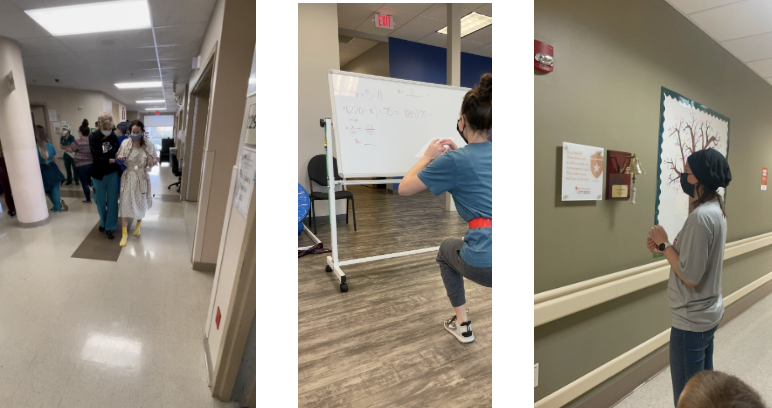
Over the next nine months, I underwent eight surgeries. There were countless days in the ICU, followed by months of speech, language, and physical therapy. I had to relearn things I had once done without a second thought: how to walk, how to communicate, and even how to do math.
Healing was not quick, and it was not linear. Some days felt like progress, while others felt like starting over. But through that process, I learned something I’ve also seen over and over again in education: growth rarely happens in giant leaps. More often, it happens in small, steady moments that build over time.
As I healed, I learned a lot about myself, but I also gained a new perspective on my work as an educator and instructional coach. Looking back, three ideas continue to shape how I think about teaching, coaching, and learning.
#1. “We’ll figure it out.”
After my diagnosis, my husband and I began to live by this phrase, “We’ll figure it out.” In difficult moments, things can feel frustrating, overwhelming, and impossible to solve. When you’re in the middle of something hard, it’s easy to focus only on the problem in front of you.
But I learned that not every answer needs to come immediately. Sometimes progress is simply taking one step. Literally.
When I was learning to walk again, I wasn’t focused on running. I was focused on one step, then another. In coaching, I’ve realized the same is true. Teachers are balancing countless demands, challenges, and expectations every day. Growth doesn’t happen by taking on everything at once. It often begins with Jim Knight’s question, “What would be most helpful to you right now?” That question helps clarify where to start—and from there, we move forward together.
#2. Learning is an Experience.
As I recovered from multiple brain surgeries, I began hearing more and more about how the brain heals and adapts. At first, I wasn’t sure what to think, but as time went on, I became fascinated by neuroplasticity—the brain’s incredible ability to create new pathways and continue learning. The more I learned about how my own brain was rebuilding connections, the more I found myself thinking about learning in general.
- How do students learn?
- Why do some ideas stick while others disappear?
- What creates meaningful learning experiences?
The more I learned, the more I realized the same is true in education- learning isn’t simply about covering content. Students need opportunities to connect, process, practice, and revisit ideas in meaningful ways. They need experiences that allow learning to take root.
I think the same is true in instructional coaching. We cannot simply hand people information and expect transformation. Learning — whether for students, teachers, or even ourselves — takes time, repetition, support, and meaningful experiences.
#3. “Faith is Hope on Fire.“
Recovery also reminded me that growth isn’t sustained by strategies alone. It also requires hope.
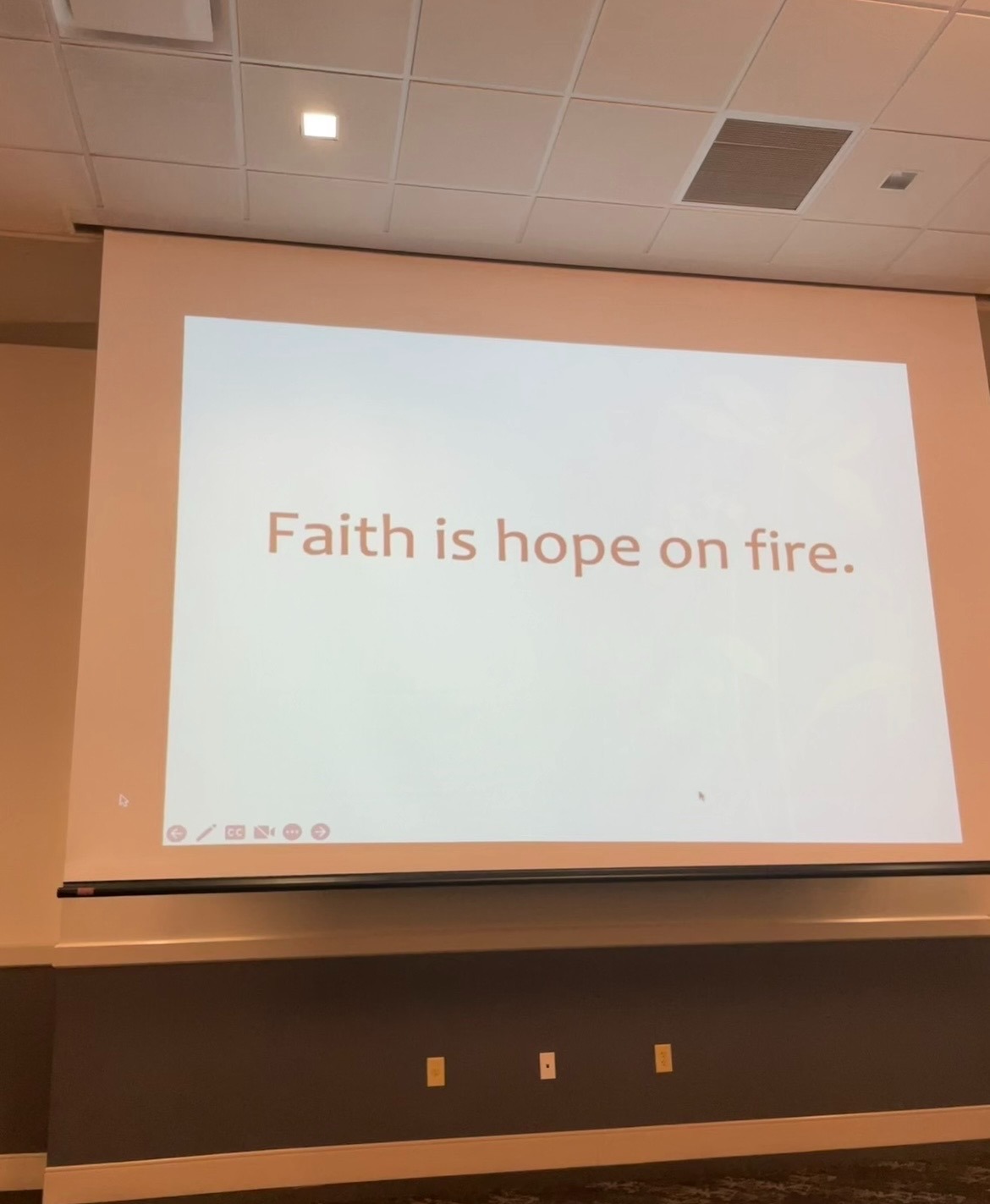
At the start of a professional learning session with consultant Tina Boogren a couple of years ago, I saw this quote and immediately loved it–
“Faith is hope on fire.”
Those two words — faith and hope — had actually become anchors for me after my diagnosis.
Faith did not always mean certainty. Sometimes faith simply meant believing there was another step to take. Hope did not always look big or dramatic. Sometimes hope looked like making progress in physical therapy, celebrating small victories, or believing tomorrow could feel a little different than today.
I’ve also noticed how Tina often begins professional learning sessions with positive quotes and moments for reflection. I love the idea of creating space for people to pause, think, and connect — both individually and together. I plan to bring more of that into my own professional development work because learning is not only about strategies and content. It is also about connection, mindset, and inspiration.
As I move into this next year, these three ideas will be at the center of my thinking — both in instructional coaching and in blogging again:
- We’ll figure it out.
- Learning is an experience.
- Faith is hope on fire.
Five years ago, I was learning how to walk again. Today, I’m grateful to continue learning, growing, and helping others do the same. I’m excited to take the next step—and to see where it leads!


Love it. Ashley, thanks for sharing your thoughts. We all learn from others experiences.
LikeLike